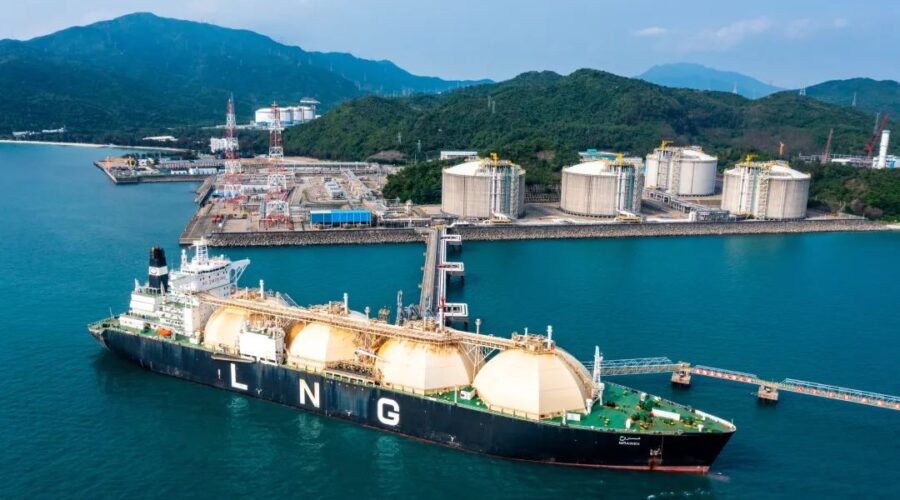
Pakistan must now depend on costly spot market liquefied natural gas (LNG) purchases after QatarEnergy prolonged its force majeure notice following the attack on its Ras Laffan facility. This shift raises energy import expenses and intensifies pressure on the nation’s fuel supply chain.
Extended Disruption Affects Long-Term Contracts
According to official sources, QatarEnergy has kept the force majeure in place until August 2026. This delay hampers restoration of LNG shipments under existing long-term agreements. Consequently, Pakistan must secure cargoes from the international spot market, where prices exceed those of contracted deals.
Government Hopes for Relief in September
Federal Minister Ali Pervaiz Malik stated that regular LNG deliveries from Qatar may resume if the force majeure is lifted in September. He emphasized ongoing coordination with Qatari authorities to monitor production facility developments.
The temporary supply gap has complicated efforts to meet domestic gas demand, especially during peak usage periods. Buying LNG via spot deals ensures supply continuity but increases financial strain on Pakistan’s energy sector.
Risk of Supply Shortages and Cost Surges
Pakistan heavily relies on imported LNG to supplement local gas production and serve households, industries, and power plants. Any disruption in long-term contracts risks fuel shortages and raises import costs, making spot purchases essential.
Analysts Warn of Price Volatility
Energy analysts note that prolonged global LNG supply issues can expose importing nations to price swings and higher procurement costs. They argue that restoring stable long-term deliveries would lower uncertainty and ease Pakistan’s energy import burden.
Government Secures Alternative Cargoes
Officials remain optimistic that normal Qatar LNG supplies will return once force majeure ends. Until then, they are arranging alternative cargoes to ensure gas availability and reduce disruptions for consumers and industries.
Read More: Govt purchases expensive LNG as flows via Hormuz fail to recover



Leave a Comment
Your email address will not be published. Required fields are marked *